The Best Indica Cannabis Strains
The Best Indica Cannabis Strains
Updated: July 2026 | Discover the best Indica cannabis strains, their origins, characteristics, aroma profiles, and practical selection tips | Canna Wiki
Author: Cannapot Grow Team | Reading time: approximately 18 minutes

The Most Important Points at a Glance
✓“Indica” refers to a botanically described form of cannabis that is traditionally characterized by compact growth, broad leaves, and a comparatively short flowering period. In everyday language, the term is often associated with a body-centered effect.
✓Classic indicas originate primarily from the mountainous regions of Central Asia and the Indian subcontinent. The Hindu Kush in Afghanistan and Pakistan, as well as the foothills of the Himalayas in northern India and Nepal, are mentioned particularly often. The climatic conditions there are considered formative for many traits traditionally associated with this genetics.
✓Today, the term “Indica” mainly provides a rough guide. The actual characteristics of a cannabis strain depend on its specific genetics and chemical composition. For growers and breeders, the genetic classification is still useful because it can provide clues about growth behavior, flowering time, and breeding characteristics.
✓Northern Lights, Blueberry, Sensi Star, Deep Chunk, Hindu Kush, Bubba Kush, and Granddaddy Purple are among the best-known strains regularly associated with indica characteristics.
Determining the best indica strains is not easy and is far more difficult than many people think. Famous names alone are no longer enough, because genetics, cannabinoid profiles, and terpene composition can differ significantly. Modern cannabis strains have been crossed and stabilized over many generations. The same strain name can produce different chemical profiles depending on the breeder, phenotype, growing conditions, harvest time, storage, and batch.
There is no single “best indica.” Which strain is considered best depends on personal preferences, individual response, and the specific genetics and chemical composition. Success at well-known Cannabis Cups can indicate a strain’s quality, but it does not constitute a universally valid ranking. For a realistic assessment, information about genetics and cannabinoid and terpene profiles is usually more meaningful than the strain name alone.
What does “Indica” mean to growers today?
“Indica” originally refers to a botanical form of cannabis and is now mainly used for strains with predominantly indica genetics. Typical traits include compact growth, broad leaves, and a comparatively short flowering period. However, the label alone does not allow reliable conclusions about cannabinoids, terpenes, or the actual characteristics of a strain.
The botanical classification of cannabis is not uniform. Some experts regard cannabis as a single variable species, while others distinguish several closely related species or taxa. Historically narrow-leafed, tall-growing plants were often associated with “Sativa” and stockier, broader-leafed plants with “Indica.” In today’s market, the same words are also used as effect labels: “Sativa” is often said to be stimulating, while “Indica” is said to be more calming.
Genetic and chemical studies show, however, that this simple division does not accurately represent many modern products. Extensive hybridization, inconsistent naming, and the absence of industry-wide standards mean that two products with the same name are not necessarily composed identically. A more scientifically meaningful term is Chemovar: it describes cannabis according to its measurable chemical profile, especially cannabinoids and volatile compounds.
How can you recognize a high-quality indica?
You cannot recognize a high-quality indica by its name alone, but by traceable genetics, reliably documented origins, and careful breeding.
Established breeders generally publish meaningful information about lineage, typical characteristics, and the breeding lines used. For cannabis flower, certificates of analysis containing information on cannabinoids and terpenes, as well as tests for pesticide residues, heavy metals, solvents, or microbiological contaminants, can also be helpful. A high THC content alone is not a quality indicator and says little about aroma, genetics, or the actual characteristics of a strain.
The condition of the flowers also plays an important role. A fresh smell, appropriate residual moisture, clean processing, good curing, and proper storage of seeds before growing are important quality features. Musty, ammonia-like, or unusually chemical odors, by contrast, may indicate quality defects or even mold.
Which indica strains are among the best-known classics?
The best-known indica classics include Northern Lights, Hindu Kush, Sensi Star, Bubba Kush, Granddaddy Purple, Ice Cream Cake, Blueberry, Hash Plant, Airborne G13, and Black Domina.
The following selection is not intended as an objective ranking. It presents ten cannabis strains that have shaped the term “Indica” over many years. They include classic Kush and Afghan lines as well as well-known mostly indica hybrids.
In addition to classic indica genetics, the traditional cannabis lines from Pakistan also deserve special attention. Because they developed independently in historical and genetic terms, you can find a separate article about them in the Canna Wiki: Pakistan – Origin, Effects, and Aroma.
| Strain | Classification | Commonly described aroma | Why it matters |
|---|---|---|---|
| Northern Lights | Indica classic | classic, resinous, earthy | Internationally influential breeding line |
| Hindu Kush | Kush with Central Asian roots | earthy, woody, spicy | A reference point for traditional Kush characteristics |
| Ice Cream Cake | mostly indica hybrid | creamy, sweet, vanilla-like, earthy | Popular modern dessert hybrid with dense resin production |
| Bubba Kush | mostly Indica | coffee, pepper, earthy, cocoa-like, spicy | Distinctive aroma profile and high recognizability |
| Granddaddy Purple | Indica-dominant | berry-like, grape-like, sweet, earthy | Influential combination of color and fruit profile |
| Sensi Star | Indica classic | extremely strong, spicy, metallic, slightly citrusy | Internationally established cult strain for decades |
| Blueberry | Indica | berry-like, sweet, fruity | Influential foundation for numerous later crosses |
| Hash Plant | Afghani-influenced line | sour, spicy, earthy, lemon | Closely associated with traditional Afghan genetics |
| Airborne G13 | mostly G13 line | classic, spicy, earthy, strong | Legendary genetics with cult status |
| Black Domina | Indica-dominant classic | earthy, spicy, very resinous | Known for compact, resin-rich flowers |
1. Why is Northern Lights considered an indica classic?
Northern Lights is considered an absolute breeding classic because the name has been associated for decades with compact growth, very resinous flowers, and a major influence on later breeding lines.
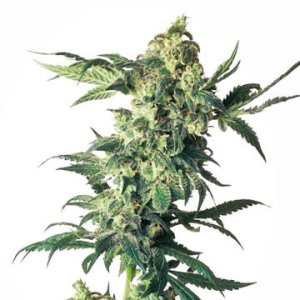
Hardly any cannabis strain is mentioned as often among classic indicas as Northern Lights. Its exact origin story is still not fully clarified, and numerous seed banks offer their own Northern Lights lines. The strain became especially well known through Sensi Seeds, where it has ranked among the most popular classics for many years.
The commonly described aroma profile ranges from earthy and woody notes to resinous, spicy, and slightly sweet nuances. Which terpenes actually dominate depends on the specific genetics and cultivation. Northern Lights is still regarded as one of the most influential indica genetics and served as the basis for numerous later breeding projects.
Typical classification:classic, resinous, earthy.
Especially relevant for:Growers who want to get to know one of the most influential indica strains.
Note:Origin, genetics, and chemical composition can differ significantly between different Northern Lights lines.
2. What makes Hindu Kush an important foundational line?
Hindu Kush is important primarily because the name refers to traditional cannabis populations from the mountainous region between Central and South Asia and forms part of the basic vocabulary of Kush breeding.

The Hindu Kush region is considered one of the best-known areas of origin for classic indicas. Cannabis populations from these mountains are traditionally associated with compact growth, broad leaves, and pronounced resin production. These traits made them an important foundation for numerous breeding programs over many decades. However, a modern product named Hindu Kush should not automatically be understood as an original landrace.
Earthy, woody, spicy, and resinous aromas are typically described, often complemented by herbal and peppery notes. Since many different Hindu Kush lines exist today, it is worth examining the documented origin and the breeder’s information about genetics and analysis. This allows the particular strain to be classified much more accurately.
Typical classification:traditional, earthy, spicy.
Especially relevant for:Growers who want to cultivate an original Kush.
Note:“Hindu Kush” may refer to a place of origin, a strain name, or a marketing label.
3. How does Ice Cream Cake differ from other indica strains?
Ice Cream Cake is best known for its creamy-sweet aroma, dense flowers, and mostly indica genetics. Today it is one of the most internationally popular modern hybrids.
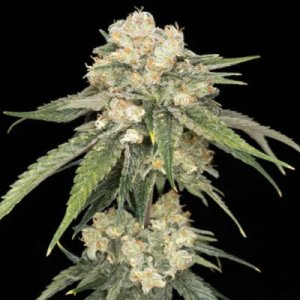
Ice Cream Cake was created by crossing Wedding Cake and Gelato #33 and is generally classified as an indica-dominant hybrid. It is characterized by compact flowers heavily covered in trichomes and an aroma often described as creamy, sweet, vanilla-like, and slightly earthy. Depending on the breeder and phenotype, however, scent, cannabinoid profile, and growth can differ significantly.
Because of its great popularity, Ice Cream Cake is offered by numerous breeders. It is therefore worth looking not only at the strain name but also at information about genetics, origin, and chemical composition. The perceived smell is largely influenced by the terpene profile and can vary depending on genetics and batch.
Typical classification:mostly indica hybrid with Wedding Cake and Gelato lineage.
Especially relevant for:Fans of creamy, sweet, dessert-like aroma profiles.
Note:The strain name and genetics may differ slightly depending on the breeder.
4. Why is Bubba Kush still so well known?
Bubba Kush remains famous because the strain combines a distinctive name with an often dark, spicy, earthy, and coffee-like scent.
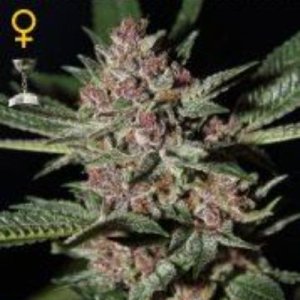
Bubba Kush from Barneys Farm has been one of the best-known U.S. cannabis strains since the 1990s and has influenced numerous later breeding projects. Although its exact origin story remains unclear, it is firmly established in modern cannabis breeding and is offered by many seed banks in their own lines.
Bubba Kush is typically associated with earthy, woody, and spicy aromas with hints of cocoa, coffee, or pepper. As with any cannabis strain, the actual profile can vary depending on genetics and growing conditions. Bubba Kush has ranked among the best-known representatives of classic mostly indicas for many years.
Typical classification:dark and spicy, earthy, coffee-like.
Especially relevant for:Growers looking for distinctive Kush aromas.
Note:The familiar strain name does not guarantee uniform genetics.
5. What distinguishes Granddaddy Purple?
Granddaddy Purple is distinguished by its strong cultural presence, frequent purple coloration, and an often sweet, berry-and-grape aroma.
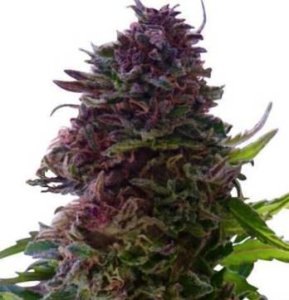
The strain became a symbol of intensely colored indicas and is the best-known strain from Breeder Kens Grand Daddy. The purple coloration is mainly caused by anthocyanins. Whether it develops strongly depends primarily on genetics, although lower temperatures during flowering can also encourage it.
Granddaddy Purple is associated with berries, dark fruit, grapes, sweetness, and earth. This makes the strain appealing to people who prefer fruity profiles to purely resinous or peppery Kush aromas.
Typical classification:sweet, berry-like, intensely colored.
Especially relevant for:Fans of strong and very fruity indicas.
Note:Purple flowers are not proof of exceptional potency or medical suitability.
6. What makes Sensi Star so special?
Sensi Star is one of the best-known and most powerful cannabis strains and is often valued for its extremely strong spicy and earthy scent, compact flower structure, and long-standing international reputation.
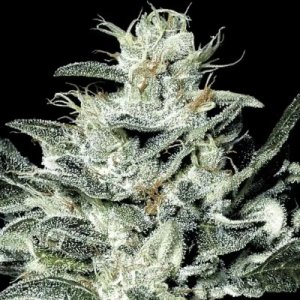
Sensi Star became known in the 1990s and remains one of the established classics among indica strains. It is often described as having dense, extremely resin-rich flowers and an aroma combining earthy, spicy, slightly citrusy, and occasionally peppery nuances. The original comes from Paradise Seeds and is still one of the strongest strains in the range.
The Sensi Star genetics from Paradise Seeds rank among the most successful classic indicas of all. Numerous awards at international Cannabis Cups underline its legendary reputation among growers and breeders.
Typical classification:extremely strong indica classic with dense flower structure.
Especially relevant for:Fans of traditional, spicy-earthy cannabis strains.
Note:Depending on the breeder, genetics and aroma profile may differ despite an identical strain name.
7. Why has Blueberry shaped modern cannabis breeding?
Blueberry has shaped modern cannabis breeding because its sweet berry profile and indica-dominant structure have been incorporated into numerous later crosses.
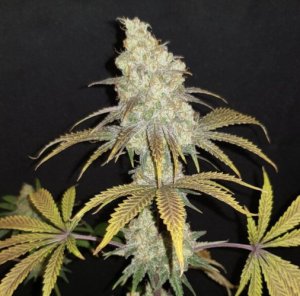
Blueberry is considered one of the best-known fruity cannabis strains. Typical aromas include blueberries, forest fruits, gentle sweetness, and a soft earthy undertone. Blueberry was created by DJ Short, but Cannapot Seeds offers a version that is every bit as good as the original. Original Blueberry seeds from DJ Short have become relatively difficult to obtain.
The strain shows that “Indica” does not have to be associated exclusively with earth, hashish, and spices. Fruit-forward lines can also fall into this category.
Typical classification:sweet, berry-like, rich in tradition.
Especially relevant for:Fans of fruit-forward indicas.
Note:Aroma and intensity should be evaluated separately.
8. What importance does Hash Plant have for traditional indica lines?
Hash Plant is a very important strain because the name is closely associated with Afghan-influenced selection and the breeding of compact plants.
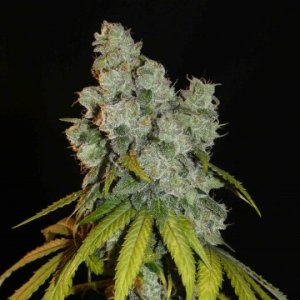
The term Hash Plant refers less to a single globally identical strain than to a breeding direction: plants were selected for traits such as resin coverage, structure, and suitability for traditional processing methods, for example for the production of hashish. Hash Plant therefore has a firmly established place in the history of modern breeding.
Hash Plant is typically associated with intense spicy, earthy, and resinous aromas. Afghan Lemon from Khalifa Genetics is especially recommended—an heirloom genetics and an exceptional phenotype that combines classic Afghan characteristics with fresh citrus notes.
Typical classification:resinous, spicy, sour, lemon, Afghan-influenced.
Especially relevant for:Readers interested in traditional resin selection.
Note:Visible trichomes are no substitute for a laboratory test.
9. What lies behind the Airborne G13 myth?
Airborne G13 is one of the best-known legendary cannabis lines and is internationally famous mainly for its mysterious origin story and mostly indica characteristics.
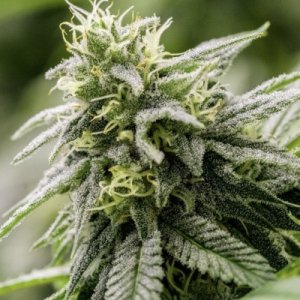
The original G13 is surrounded by numerous legends. It is often claimed to have originated in a government breeding program, but there is no reliable evidence for this. Airborne G13 from Brothers Grimm draws on this legendary genetics and is one of the best-known modern interpretations of G13.
Typical aromas are earthy, spicy, pine-like, and slightly sweet. As with many classic cannabis genetics, aroma profile and characteristics may differ depending on the line and phenotype. Those looking for another G13 interpretation will find G13 Project from ApeOrigin an interesting alternative.
Typical classification:G13 line with a classic spicy-earthy aroma profile.
Especially relevant for:Growers interested in legendary cannabis genetics and their modern development.
Note:The story surrounding G13 is largely unsupported by scientific evidence and should be regarded as legend.
10. Why is Black Domina one of the best-known indica classics?
Black Domina is one of the best-known cannabis strains and is primarily associated with compact growth, dense resin production, and a scent that is both spicy and earthy.
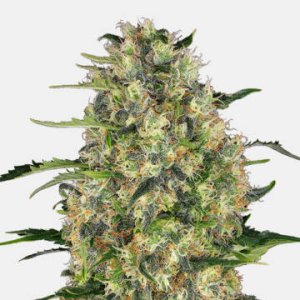
Black Domina was developed in the 1990s by the Sensi Research Team and is based on several classic indica lines. The strain is often described as compact-growing and is especially known for its dense, resin-rich flowers. Depending on the phenotype, the aroma is usually described as earthy, spicy, peppery, and slightly sweet.
Today, the name Black Domina no longer stands for a single unchanged genetics. Different breeders offer their own breeding lines, which can vary in lineage and characteristics.
Typical classification:Classic with a spicy-earthy aroma profile.
Especially relevant for:Fans of traditional, resin-rich indica genetics.
Note:Depending on the breeder and phenotype, genetics, terpene profile, and characteristics can differ significantly.
Which indica strain suits which aroma profile?
Those who prefer classic earthy and resinous aromas will find especially well-known representatives in Hindu Kush, Northern Lights, and Hash Plant. For sweet and fruity aroma profiles, Blueberry and Granddaddy Purple are among the best-known indicas.
Aroma is one of the most noticeable features of a cannabis strain. It is shaped mainly by the terpenes it contains and can vary depending on genetics, cultivation, and batch. Smell alone, however, does not allow conclusions to be drawn about THC or CBD content.
| Desired aroma direction | Suitable indica strains | Typical aromas |
|---|---|---|
| Classic, resinous, and earthy | Northern Lights, Hindu Kush, Hash Plant | Earth, resin, wood, spices |
| Spicy and dark | Bubba Kush, Black Domina, Airborne G13 | Coffee, pepper, cocoa, earth, resin |
| Fruity and sweet | Blueberry, Granddaddy Purple | Berries, grapes, sweetness, fruity notes |
| Creamy and dessert-like | Ice Cream Cake | Vanilla, cream, sweetness, earth |
| Spicy with a fresh citrus note | Sensi Star, Hash Plant (Afghan Lemon) | Spices, lemon, earth, resin |
What role do terpenes play in indica?
Terpenes are natural aromatic compounds in the cannabis plant. They shape the characteristic scent of an indica strain and are an important part of its chemical profile.
The best-known terpenes in cannabis include myrcene, β-caryophyllene, limonene, α-pinene, β-pinene, and linalool. Depending on genetics and growing conditions, they occur in different concentrations and help distinguish cannabis strains by smell and aroma.
According to the current state of scientific knowledge, however, the effects of a cannabis strain cannot be predicted from its terpene profile alone. The interplay of cannabinoids, terpenes, genetics, and individual factors plays an important role in the characteristics of an indica. The terpene profile is therefore mainly useful for describing aroma and chemical composition, not as a reliable indicator of a particular effect.
Here are additional indicas known for their exceptional terpene profiles and characteristic aromas:
| Strain | Typical aroma profile |
|---|---|
| Tropical Mango | tropical fruit, mango, intense, strong |
| Alien Technology | intensely earthy hashish, spices, vanilla |
| Bubbleberry | very sweet, bubble gum, berries |
| MK Ultra | extremely strong, earthy, woody, pine |
| Zunami Peach | ripe peach, juicy, full-bodied, exotically creamy |
| Deep Chunk | extremely strong, coffee, chocolate, earthy, pine |
Is an indica with a lot of THC automatically better?
No. A high THC content alone is not a quality indicator and says little about the characteristics of an indica.
The quality of a cannabis strain is determined by many factors. These include genetics, breeding, cannabinoid and terpene profiles, and careful processing. Two strains with similar THC levels can therefore differ significantly.
How intensely a strain is perceived also depends on dosage, method of consumption, and individual factors. A high THC value therefore describes only one part of the chemical composition and does not indicate whether a strain is higher quality overall.
Can you expect a calming effect from an indica?
Indica’s reputation as “calming cannabis” is based primarily on decades of experience among growers and consumers. Scientifically, however, no universal rule can be derived from this because modern cannabis strains can differ substantially in their genetics and chemical composition.
The traditional division into indica and sativa is based on botanical traits and the origins of certain cannabis populations. Over the decades, these terms became increasingly associated with typical characteristics and experiences. Since most modern cannabis strains are the result of numerous crosses, however, the label “Indica” alone cannot be used to infer a particular effect.
Whether a cannabis strain is perceived as more body-centered, stimulating, or balanced depends instead on its specific genetics, chemical composition, and individual factors. Today, the term “Indica” therefore serves primarily as a guide to lineage and breeding line, not as a reliable description of the eventual effect.
What significance do indicas still have today?
Even after decades of intensive breeding, indica genetics remain an important component of modern cannabis and breeding programs.
Many current hybrids still contain a significant share of classic indica genetics. For breeders, these lines continue to serve as a valuable foundation for deliberately introducing traits such as plant structure, flowering time, resin production, and improved resistance to environmental conditions and typical plant problems into new crosses.
Classic indicas also remain interesting for growers because they provide an important reference point for the development of modern cannabis genetics. Knowing a strain’s origin often makes it easier to understand its breeding classification and genetic background.
FAQs
Which indica strain is the best?
There is no objectively best strain. Northern Lights and Hindu Kush are especially important historical reference points, Blueberry and Granddaddy Purple represent fruitier profiles, and Bubba Kush and Deep Chunk represent darker, spicier aromas.
Which indica strain is particularly strong?
Potency cannot be reliably inferred from the name. Even products of the same strain can have different THC levels.
What is the difference between Kush and Indica?
“Indica” is a broad botanical and commercial term. “Kush” originally referred to cannabis lines connected to the Hindu Kush region, but today it is also used in the names of numerous hybrids.
Is indica always richer in CBD than sativa?
No. The terms “Indica” or “Sativa” do not indicate how much THC or CBD a cannabis strain contains. Both indicas and sativas can be THC-dominant, CBD-rich, or balanced.
Which terpenes are commonly found in indica?
Many commercial cannabis samples contain myrcene, β-caryophyllene, limonene, and pinene, among others. Their amounts vary according to genetics, cultivation, and batch.
Why do some indicas look purple?
Purple hues are mainly caused by anthocyanin pigments. Genetic predisposition, maturity, and environmental conditions influence their expression. Color is not an indication of THC content, purity, or effect.
Are pure indicas still available?
Many modern strains are hybrids, and their lineages are not always fully documented. Lines offered as pure indica or landrace should therefore be evaluated on the basis of traceable breeding information.