CBD: Effects, Risks & Differences
CBD Explained Simply: Effects, Differences from THC and Possible Side Effects
Updated: July 2026 | What is CBD? Clear, scientifically contextualised information about cannabidiol, effects, CBD side effects, CBD vs THC, the difference between THC and CBD, products, safety and current research.
Author: Cannapot Grow Team | Reading time: approximately twenty-two minutes
The Most Important Points at a Glance
✓ CBD stands for cannabidiol and is a naturally occurring phytocannabinoid in the cannabis plant.
✓ According to current knowledge, pure CBD does not cause the cannabis intoxication typically associated with THC. However, this does not mean that CBD is ineffective or inherently risk-free.
✓ CBD and THC differ primarily in how they act at cannabinoid receptors. THC clearly activates CB1 receptors and can alter perception, thinking and coordination; CBD has a different, more complex effect profile.
✓ Possible CBD side effects include tiredness, drowsiness, diarrhoea, reduced appetite and changes in liver values. Their frequency and severity depend on the dose, product, duration of use and concomitant medication.
✓ CBD can affect the breakdown of various medicines. Particular caution is required with antiepileptic drugs, blood thinners, sedatives and medicines with a narrow therapeutic range, among others.
✓ Purified cannabidiol is clinically well established as a prescription active ingredient for certain rare forms of epilepsy. For many other advertised uses, the evidence is limited, conflicting or insufficient.
CBD Is a Cannabinoid with Its Own Effect Profile and Clear Differences from THC
CBD is short for cannabidiol. The substance belongs to the phytocannabinoids, the natural constituents produced in the cannabis plant. Particularly high concentrations occur in specially selected CBD-dominant chemovars. In fresh plant material, cannabidiol is initially present mainly in the form of its acidic precursor CBDA.
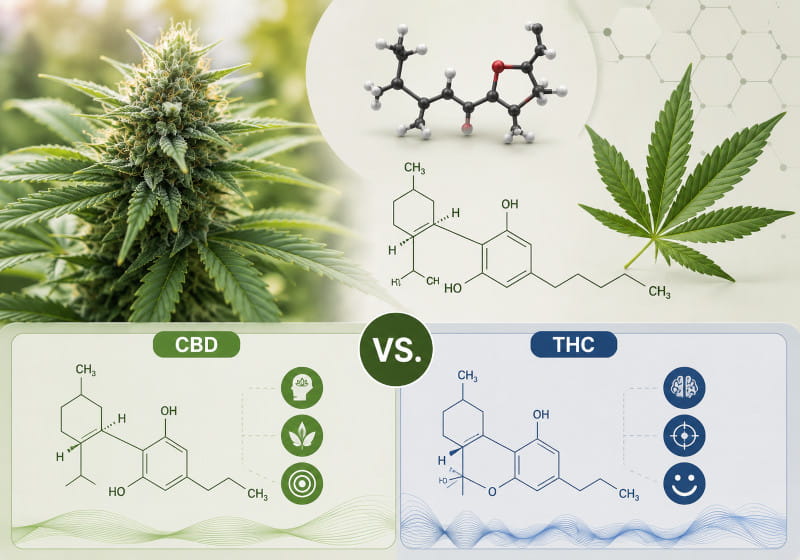
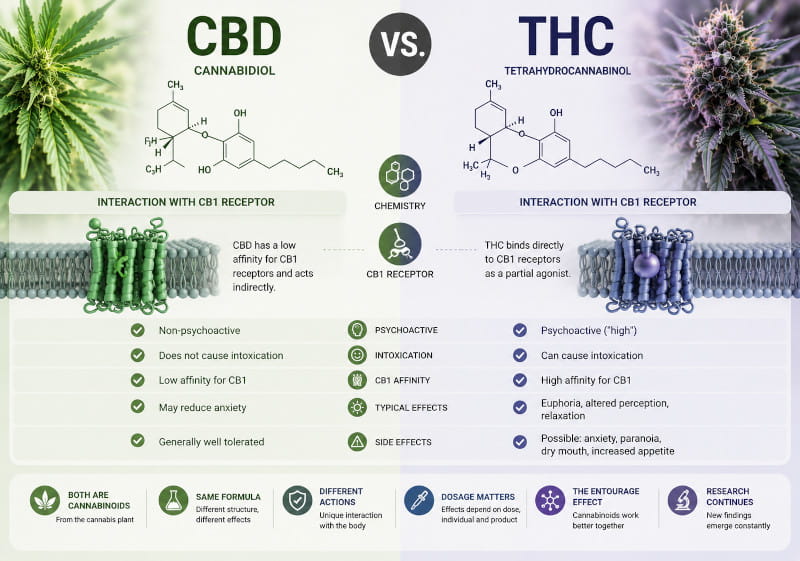
People searching for ‘CBD – what is it?’ often want to know how CBD differs from THC. Both cannabinoids originate from the cannabis plant and have the same molecular formula, but differ in the spatial arrangement of their atoms. This structural difference affects how they interact with receptors and other biological targets. Unlike delta-9-tetrahydrocannabinol (THC) , pure CBD therefore does not cause typical intoxication. You can find out more about tetrahydrocannabinol (THC), its effects and properties in the article What Is THC?.
Nevertheless, CBD is not a neutral plant compound without pharmacological activity. It can influence signalling pathways in the nervous system, metabolic enzymes, receptors and ion channels. The strength of these effects depends on factors including dose, route of administration, product composition, concomitant medication and individual sensitivity.
How Was CBD Discovered and Researched?
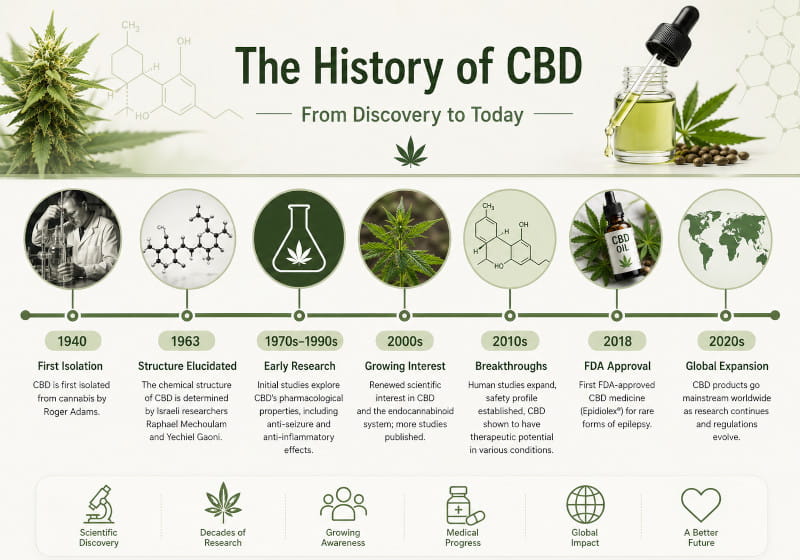
CBD was first isolated from cannabis in 1940; its exact chemical structure was determined in 1963, before cannabidiol became an important subject of medical and pharmacological research decades later.
The history of cannabis and cannabidiol is closely linked to the development of modern cannabinoid research. Cannabis had been used medically and culturally long before individual constituents were isolated, but only twentieth-century organic chemistry made it possible to separate specific plant compounds and describe them unambiguously.
In 1940, the American chemist Roger Adams and his research team isolated cannabidiol from plant material. At that time, the molecule’s exact three-dimensional structure had not yet been fully determined. It was not until 1963 that Raphael Mechoulam and Yuval Shvo published the correct structural determination of CBD. One year later, the structure of delta-9-THC was also described. This work provided an essential foundation for later research into the differences between CBD and THC.
CBD initially attracted less attention than THC because cannabidiol does not produce typical cannabis intoxication. With the discovery of the endocannabinoid system from the late 1980s and early 1990s onward, however, scientific interest grew in how cannabinoids act in the human body. It became clear that CBD is not simply a weaker form of THC, but has its own complex pharmacological profile.
| Period | Development | Significance |
|---|---|---|
| 1940 | First isolation of cannabidiol by Roger Adams and his team | CBD could be studied as a distinct plant compound |
| 1963 | Determination of CBD’s chemical structure | Foundation for systematic chemical and pharmacological research |
| 1964 | Structural determination of delta-9-THC | Direct scientific comparison of CBD and THC became possible |
| from the late 1980s onward | Discovery of cannabinoid receptors and the endocannabinoid system | New ways to explain the effects of plant cannabinoids |
| 2010s | Increase in controlled clinical studies using purified CBD | Better assessment of efficacy, dosage and side effects |
| 2019 | EU authorisation of a purified CBD medicine for certain rare forms of epilepsy | CBD became established as a prescription active ingredient for clearly defined indications |
Historical context: The discovery of CBD in 1940 did not itself prove a medical effect. Chemical isolation, clarification of the mechanism of action, clinical testing and marketing authorisation are separate stages of scientific development.
The modern popularity of over-the-counter CBD products developed much faster than the clinical evidence. A distinction must therefore be made between the history of scientific CBD research and the later marketing of oils, flowers, cosmetics and food supplements.
What Exactly Is CBD?
CBD is the neutral form of the phytocannabinoid cannabidiol and is produced mainly through decarboxylation of cannabidiolic acid, CBDA.
In the living or freshly harvested cannabis plant, cannabinoids are present largely as carboxylic acids. For CBD, this is cannabidiolic acid, abbreviated CBDA. Through heat, light and natural ageing processes, CBDA can release a carboxyl group as carbon dioxide. This process is known as decarboxylation and results in the formation of neutral CBD.
Cannabidiol has the molecular formula C21H30O2. It is highly fat-soluble and only very slightly water-soluble. This property influences its processing, absorption and distribution in the body. Orally ingested CBD does not enter the bloodstream completely because part of it is metabolised in the intestine and during the first pass through the liver.
In brief: CBD is not the same as hemp oil. CBD refers to a single cannabinoid. Depending on how it is produced, hemp oil may be an edible oil made from hemp seeds or a cannabinoid-containing extract. Ordinary hemp seed oil naturally contains no relevant amounts of CBD.
How Is CBD Produced in the Cannabis Plant?
CBD is produced from CBDA, which the cannabis plant forms from cannabigerolic acid with the aid of CBDA synthase.
A central starting material in cannabinoid biosynthesis is CBGA. Plant enzymes can convert CBGA into various cannabinoid acids. In CBD-dominant plants, CBDA synthase is particularly active. It produces CBDA, which can later be converted into CBD through decarboxylation.
Whether a plant develops predominantly CBDA, THCA or a mixed profile is strongly determined by its genetics. Environmental conditions, maturity, drying and storage influence the measured concentrations, but cannot arbitrarily change the fundamental genetic orientation.
The terms ‘CBD plant’ or ‘CBD strain’ therefore do not by themselves reveal the actual CBD or THC content. The composition can only be assessed reliably using a properly collected sample and a suitable laboratory analysis.
Where Does CBD Occur Naturally?
CBD occurs naturally in cannabis and can be one of the most abundant cannabinoids in CBD-dominant plants.
Cannabinoids are produced mainly in glandular trichomes, which are especially dense on the inflorescences of female plants. CBDA usually predominates in fresh plant material. The proportion of neutral CBD increases through drying, storage or targeted heating.
THC-dominant plants can also contain small to moderate amounts of CBD. Conversely, CBD-rich plants are not necessarily completely free of THC or THCA. What matters is the entire cannabinoid profile, not the simplified classification as ‘hemp’, ‘CBD cannabis’ or ‘THC cannabis’.
Which CBD Seeds Are Particularly Popular?
CBD seeds have been selectively bred for a high cannabidiol content and a comparatively low THC content. Depending on their genetics, the strains differ in factors such as CBD content, flowering time, aroma, yield and growth behaviour.
Many modern CBD seeds are suitable for both beginners and experienced growers. Some genetics were developed specifically for a particularly high CBD content, while others have a balanced ratio of CBD to THC. The most suitable strain depends on personal preferences, the desired cannabinoid profile and the respective growing conditions, among other factors.
| CBD Strain | CBD | THC | Type | Special Feature |
|---|---|---|---|---|
| CBD #1 | 17% | 0.7% | Fem. | High CBD content, fruity aroma, mostly sativa. |
| Charlotte's Angel | 16% | 5% | Fem. | One of the best-known CBD-dominant genetics. |
| Charlottes Dream Auto | 15% | 0.7% | Auto | Sweet, fresh aroma, autoflowering. |
| Deep Mandarine CBD | 18% | 6% | Fem. | Blood orange and mandarin aroma, high CBD content. |
| Dr Bruce Banner CBD | 10% | 10% | Fem. | Balanced CBD-to-THC ratio with mandarin and lemon aroma. |
| Green Sakura CBD | 10% | 0.2% | Reg. | Regular genetics, particularly suitable for outdoor growing. |
| Terra Italia | 14% | 0.3% | Fem. | Selected for a particularly high CBD content. |
| Harlequin CBD | 22% | 0.5% | Fem. | Well-known mostly-sativa genetics with a distinctive aroma. |
| OG Kush CBD | 12% | 6% | Fem. | Fast flowering with a classic OG Kush aroma and high CBD content. |
| Pink Kush CBD Auto | 17% | 0.2% | Auto | Mostly-indica autoflower with a high CBD content and classic Kush aroma. |
Important: Neither CBD seeds nor THC seeds naturally contain CBD or THC. These terms refer exclusively to the genetic characteristics of the later cannabis plant and its typical cannabinoid profile.
The actual CBD and THC content depends not only on genetics, but also on the harvest time, environmental conditions, maturity, drying and further processing, for example during the production of hash. The stated values therefore represent typical breeding targets or manufacturer information and may vary depending on cultivation, post-harvest processing and laboratory analysis.
Does CBD Make You High or Intoxicated?
According to current knowledge, pure CBD does not cause the cannabis intoxication typically associated with THC.
Delta-9-THC activates CB1 receptors in the brain as a partial agonist. This can alter perception, sense of time, mood, memory, reaction time and coordination. CBD does not bind to CB1 receptors in the same way and therefore does not have a comparable intoxicating effect profile.
However, the statement ‘CBD does not make you high’ must not be confused with ‘CBD has no effect on the central nervous system’. Depending on the dose and individual response, tiredness, drowsiness or changes in attention may occur. These effects are not classic cannabis intoxication, but they can be relevant to driving, operating machinery and other safety-critical activities.
Product composition is another factor. Full-spectrum extracts, flowers and inadequately controlled products can contain THC. Subjectively perceived intoxication after using an alleged CBD product may therefore be due to contained THC, incorrect labelling or other ingredients.
What Is the Difference Between CBD and THC?
The most important difference between THC and CBD lies in their action at CB1 receptors: THC can cause pronounced intoxication, whereas CBD does not have a comparable typical intoxicating effect profile.
The search terms CBD vs THC, THC CBD and difference between THC and CBD often refer to the same core question. Chemically, the two substances are closely related. They have the same molecular formula but differ in structure. This difference changes their three-dimensional shape and therefore their pharmacological properties.
| Characteristic | CBD | Delta-9-THC |
|---|---|---|
| Full Name | Cannabidiol | Delta-9-tetrahydrocannabinol |
| Acidic Precursor | CBDA | THCA |
| Typical Intoxication | no | yes, often pronounced depending on dose |
| Action at the CB1 Receptor | no direct activation like THC; complex modulating effects | partial agonist |
| Possible Acute Effects | including tiredness, drowsiness or gastrointestinal discomfort | including altered perception, euphoria, anxiety, slower reactions and coordination problems |
| Dependence Potential | no typical potential for abuse or dependence described for pure CBD | possible with regular use |
| Established Medicinal Use | purified CBD for certain rare forms of epilepsy | THC-containing or THC-related medicines for selected indications and preparations |
| Drug Test | CBD itself is generally not the target of standard THC tests; THC contamination may nevertheless be relevant | THC metabolites are the typical test target |
CBD is neither ‘weak THC’ nor THC without intoxication. Both cannabinoids have distinct effect profiles. An identical milligram amount is therefore not directly comparable. Without information about the total dose, route of administration and other ingredients, the ratio of CBD to THC in a product also says only a limited amount about the expected effects.
What Is the Difference Between CBD and CBG?
CBD and CBG are both natural cannabinoids in the cannabis plant, but differ in how they are formed, where they occur and their scientifically studied effect profiles.
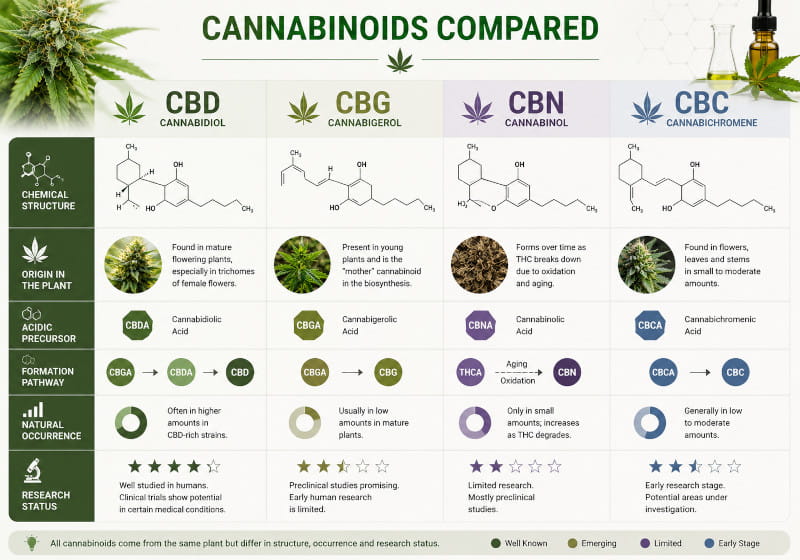
CBG stands for cannabigerol and, like CBD, initially arises from its acidic precursor. While CBD is formed mainly from CBDA , CBG derives from CBGA . CBGA is regarded as a central biosynthetic precursor of several cannabinoid acids and is therefore often called the ‘mother cannabinoid’. CBDA, THCA and CBCA, among others, are formed from CBGA.
Unlike CBD, CBG occurs only in comparatively small quantities in most mature cannabis plants because much of the available CBGA is converted into other cannabinoids as the plant grows. Specially bred CBG strains have genetic traits that partly limit this conversion process and thereby enable higher CBG levels.
Both CBD and CBG do not, according to current knowledge, cause the cannabis intoxication typically associated with THC. However, the two cannabinoids differ in their interactions with receptors, enzymes and other biological targets. While purified CBD has already been investigated in high-quality clinical studies and authorised as a medicine for certain rare forms of epilepsy, CBG research remains largely at the preclinical or early clinical stage.
For detailed information about cannabigerol, how it is formed, its properties and the current state of research, see our article: What Is CBG? Effects, Meaning & Benefits.
How Do THC and CBD Work Together?
CBD can alter individual THC effects under certain conditions, but it does not reliably neutralise THC or prevent intoxication.
Laboratory and human studies have observed different interactions between THC and CBD. The results depend strongly on dose, ratio, order of administration, route of administration and timing. In some studies, CBD reduced individual subjective or cognitive THC effects. In others, these effects remained unchanged or were even intensified with certain oral combinations.
One possible reason is that CBD not only acts on different receptor systems but can also influence THC metabolism. Orally ingested CBD can inhibit enzymes involved in breaking down THC. This may alter its concentration and duration of action. The widespread claim that CBD is a universal ‘antidote’ to THC is therefore scientifically too simplistic. Other cannabinoids such as THCV are also being studied. However, because of its chemical structure and interactions with the endocannabinoid system, THCV differs significantly from THC and CBD.
Important: Even a high proportion of CBD does not reliably prevent THC’s psychoactive effects. The absorbed THC dose and individual differences in metabolism, sensitivity and consumption patterns are particularly important.
What Distinguishes CBD, CBG, CBN and CBC?
CBD, CBG, CBN and CBC are distinct cannabinoids with different origins, receptor effects and scientific evidence bases.
Cannabidiol is only one of numerous phytocannabinoids in the cannabis plant. In addition to CBD, particularly CBG, CBN and CBC are increasingly mentioned in products and advertising claims. However, these substances must not be regarded as interchangeable. They have different chemical structures and do not interact identically with biological targets.
They have in common that their acidic precursors can occur in plant material. The neutral forms arise through processes including decarboxylation. CBN occupies a special position because it can develop from THC, among other pathways, in aged or oxidised plant material.
| Characteristic | CBD | CBG | CBN | CBC |
|---|---|---|---|---|
| Full Name | Cannabidiol | Cannabigerol | Cannabinol | Cannabichromene |
| Acidic Precursor | CBDA | CBGA | CBNA or formation through oxidation of other cannabinoids | CBCA |
| Formation | from CBGA via CBDA synthase | neutral form of the central precursor CBGA | often an ageing and oxidation product of THC | from CBGA via CBCA synthase |
| Typical THC-Like Intoxication | no | not typically described | may have weak CB1 activity; not equivalent to THC | not typically described |
| Receptor Profile | indirect and diverse targets; no THC-typical CB1 activation | complex profile at cannabinoid and other receptors | lower activity at CB1 and CB2 than THC; other targets are being investigated | including CB2- and TRP-related mechanisms in experimental models |
| Clinical Evidence | well established for certain rare forms of epilepsy | predominantly preclinical; a few small human studies | limited; sleep-related advertising in particular goes beyond the established evidence | predominantly laboratory and animal data; very limited human data |
What Is the Difference Between CBD and CBG?
CBD and CBG are not intoxicating in the way typically associated with THC, but differ in biosynthesis, receptor profile and the extent of clinical research.
CBG arises from CBGA. This cannabigerolic acid is also a central starting material for the biosynthesis of CBDA, THCA and CBCA. CBG is therefore sometimes abbreviated as the ‘mother cannabinoid’. More precisely, CBGA is an important biosynthetic precursor of several cannabinoid acids.
While purified CBD has been clinically tested and authorised as a medicine for certain forms of epilepsy, many statements about CBG continue to be based on cell-culture and animal studies. Initial human studies provide avenues for research but are not sufficient to support general health claims.
Terminology: It is not CBG itself, but its acidic precursor CBGA, that is the central starting point from which plant enzymes form CBDA, THCA and CBCA, among others.
What Is the Difference Between CBD and CBN?
CBD is a cannabinoid formed primarily by the plant, whereas CBN frequently develops through the ageing and oxidation of THC.
CBN is particularly often marketed as a ‘sleep cannabinoid’. This term is not adequately supported by science. Although preclinical and individual clinical studies are investigating possible effects on sleep, the evidence is substantially more limited than many advertising claims suggest.
Compared with CBD, cannabinol may interact more directly with classical cannabinoid receptors, but its effects still differ clearly from those of THC. Product effects also cannot be attributed to CBN alone when THC, CBD, terpenes or other substances are present at the same time.
What Is the Difference Between CBD and CBC?
CBD and CBC are formed from CBGA through different synthase pathways and exhibit different molecular interactions.
CBC stands for cannabichromene. The plant first produces CBCA, which can be converted into CBC through decarboxylation. Experimental studies are investigating interactions with CB2 receptors and TRP ion channels, among other targets. However, the clinical evidence in humans is very limited.
Laboratory findings from inflammation, pain or nerve-cell models cannot be used to make established claims about treatment in humans. Established general dosages and comprehensive safety data are also lacking for CBC.
Are CBG, CBN and CBC as Well Researched as CBD?
No. Overall, substantially fewer high-quality human studies are available for CBG, CBN and CBC than for CBD.
Although the number of preclinical publications is increasing, laboratory models answer different questions from controlled clinical studies. They can indicate mechanisms, dose ranges or possible research targets, but prove neither reliable efficacy nor long-term safety in humans.
| Cannabinoid | Preclinical Research | Human Studies | Established General Use |
|---|---|---|---|
| CBD | extensive | available for several topics, with quality varying by indication | purified medicine for certain rare forms of epilepsy |
| CBG | increasing | few and often small studies | no generally established clinical use |
| CBN | available | limited, including in the area of sleep | no generally established clinical use |
| CBC | predominantly laboratory and animal models | very limited | no generally established clinical use |
Assessment: ‘Minor cannabinoid’ usually refers to a cannabinoid that naturally occurs in smaller quantities or has so far been studied less intensively. However, the term says nothing about efficacy, safety or medical benefit.
How Does CBD Act in the Endocannabinoid System?
CBD influences the endocannabinoid system mainly indirectly and also acts at several targets outside the classical cannabinoid receptors CB1 and CB2.
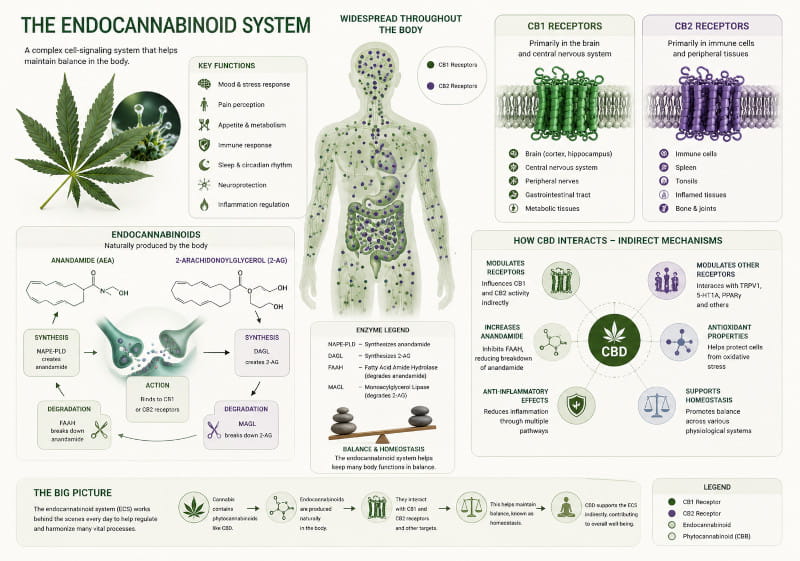
The endocannabinoid system, abbreviated ECS, is the body’s own signalling system. It comprises cannabinoid receptors, endogenous messenger substances and enzymes that produce or break down these signalling molecules. The system is active not only in the brain, but in numerous organs and tissues.
Among the best-studied components are the receptors CB1 and CB2, the endocannabinoids anandamide and 2-arachidonoylglycerol , as well as the degrading enzymes FAAH and MAGL. Together, these components regulate the strength and duration of certain signals.
What Components Make Up the Endocannabinoid System?
The endocannabinoid system consists of receptors, endogenous lipid messengers and enzymes responsible for their formation and breakdown.
| Component | Example | Basic Function |
|---|---|---|
| Cannabinoid receptors | CB1 and CB2 | Receive endocannabinoid and cannabinoid signals and trigger intracellular responses |
| Endocannabinoids | Anandamide and 2-AG | Endogenous lipid-like signalling molecules that are generally produced on demand |
| Synthetic enzymes | including NAPE-PLD and DAGL | Participate in the formation of anandamide and 2-AG, respectively |
| Degrading enzymes | FAAH and MAGL | End or limit endocannabinoid signals through enzymatic breakdown |
What Is the Role of the CB1 Receptor?
CB1 receptors are particularly widespread in the nervous system, where they regulate the release of various neurotransmitters, among other functions.
High densities of CB1 receptors are found in several brain regions involved in memory, movement, motivation, sensory processing and appetite. However, CB1 receptors also occur outside the brain, for example in peripheral nerves, metabolic organs and other tissues.
Delta-9-THC activates CB1 receptors as a partial agonist. This direct activation contributes substantially to intoxication, altered perception and impairment of memory or coordination. CBD has only low direct activity at the classical CB1 binding site and therefore acts in a fundamentally different way.
What Is the Role of the CB2 Receptor?
CB2 receptors are primarily associated with immune cells and immunological signalling pathways, but also occur in other tissues and, under certain conditions, in the nervous system.
The simplified statement that ‘CB1 is found only in the brain and CB2 only in the immune system’ is scientifically too imprecise. Both receptor types can be detected in different tissues throughout the body. While CB1 is particularly common in the central nervous system, CB2 is primarily associated with immune-system cells and processes of immune regulation.
How CBD interacts with CB2 receptors and the associated signalling pathways continues to be studied intensively. However, results from cell and animal models cannot readily be transferred to humans. Individual experimental findings therefore do not support established claims about an anti-inflammatory or medical effect of cannabis in humans.
What Are Anandamide and 2-AG?
Anandamide and 2-AG are the two best-studied endogenous cannabinoid signalling molecules.
Anandamide, also known as AEA, and 2-arachidonoylglycerol, abbreviated 2-AG, are formed from components of cell membranes. Unlike classical neurotransmitters, they are not stored in large quantities in vesicles but are often synthesised on demand.
In the nervous system, endocannabinoids can act backwards across a synaptic cleft. They are released by the postsynaptic nerve cell and bind to receptors on the presynaptic cell. In this way, the further release of certain neurotransmitters can be temporarily altered.
In brief: The endocannabinoid system is not a permanently switched-on regulatory system. Instead, it is activated as needed and adjusts signal transmission within limited periods and locations to the respective physiological situation, the cell type involved and the affected tissue.
What Roles Do FAAH and MAGL Play?
FAAH primarily breaks down anandamide, while MAGL plays a major role in the breakdown of 2-AG.
These enzymes limit how long endocannabinoid signals last. FAAH stands for fatty acid amide hydrolase and breaks down anandamide. MAGL stands for monoacylglycerol lipase and is an important degrading enzyme for 2-AG. Other enzymes may also be involved in synthesis and breakdown.
In experimental systems, CBD has been associated with changes in endocannabinoid metabolism. However, the strength and clinical significance of these effects are specific to the dose, model and tissue. The frequently repeated claim that CBD always and reliably raises anandamide levels is too broad without context.
Does CBD Bind Directly to CB1 and CB2?
CBD does not activate CB1 and CB2 in the same direct way as THC, but it can influence receptor function and other signalling pathways indirectly or allosterically.
Laboratory studies describe CBD, among other roles, as a possible negative allosteric modulator of the CB1 receptor. CBD does not bind to the same site as THC or endogenous activators, but may alter the receptor’s response through another binding site. The extent to which this mechanism contributes to specific effects in the human body has not been clarified for all uses.
Effects at serotonin receptors, TRP ion channels, adenosine signalling pathways, PPAR receptors and other molecular targets are also being investigated. CBD is therefore not pharmacologically classified as a simple CB1 or CB2 activator.
| Target | Possible CBD Interaction | Scientific Context |
|---|---|---|
| CB1 | including allosteric modulation in experimental models | no direct activation as with THC |
| CB2 | model-dependent modulating effects | mechanism cannot be reduced to a single effect |
| TRPV1 and other TRP channels | interactions in experimental systems | possible significance for stimulus processing; clinical benefit is not automatically established |
| 5-HT1A | influence on serotonergic signalling pathways is being investigated | a possible mechanism, but not proof of efficacy on its own |
| Adenosine signalling pathways | indirect modulation is being discussed | predominantly mechanistic research |
| PPAR receptors | activation of nuclear signalling pathways in models | biological activity is not the same as clinical efficacy |
Which Bodily Functions Does the Endocannabinoid System Influence?
The endocannabinoid system is involved in regulating numerous processes, including neuronal signalling, appetite, stress responses, memory, pain processing and immune functions.
Involvement in a physiological process does not mean that externally activating or inhibiting the system is automatically beneficial to health. The endocannabinoid system performs different functions depending on the organ, cell type and situation. An effect may therefore be desirable in one tissue and undesirable in another.
Scientific principle: The term ‘minor cannabinoid’ generally refers to cannabinoids that occur naturally in smaller quantities or have so far been studied less intensively. However, the term does not allow conclusions to be drawn about their efficacy, safety or medical benefit.
How Does CBD Work in the Body?
CBD influences numerous biological signalling pathways, but acts very differently from THC and does not activate the classical cannabinoid receptors in a comparable way.
Many people automatically equate CBD with a direct effect on the endocannabinoid system. In fact, cannabidiol’s pharmacology is considerably more complex. According to current scientific knowledge, CBD does not exert its effects through a single receptor, but through a network of different targets. These include cannabinoid receptors, serotonin receptors, TRP ion channels, adenosine signalling pathways and various enzymes involved in metabolic processes.
The biological effect that actually occurs depends on numerous factors. These include dosage, method of administration, duration of use, individual metabolic characteristics, concomitant conditions and possible interactions with medicines. Results from laboratory experiments or animal studies therefore cannot automatically be transferred to humans.
CBD also has a different pharmacological profile from THC. While THC can cause typical cannabis intoxication primarily by activating CB1 receptors, CBD influences these receptors much more indirectly. Its effects and side-effect profile therefore differ considerably.
Important: The fact that CBD interacts with various biological targets does not automatically mean that this results in a clinically proven medical benefit. There is an essential distinction between biological activity demonstrated experimentally and efficacy established through high-quality clinical studies.
Which Effects of CBD Are Scientifically Proven?
The scientific evidence differs considerably depending on the area of use. High-quality clinical studies exist for only a few applications; for many others, the findings remain limited or conflicting.
CBD is now one of the most intensively researched cannabinoids. Thousands of scientific publications worldwide address possible effects on the nervous system, inflammatory processes, pain processing, anxiety, sleep, stress, metabolism and numerous other biological processes. However, the number of scientific papers must not be confused with established medical benefit.
For many topics, the available data come predominantly from laboratory investigations or animal studies. Such studies provide important indications of biological mechanisms but are not sufficient on their own to support claims about efficacy in humans.
| Area of Use | State of Evidence | Context |
|---|---|---|
| Rare forms of epilepsy | high | clinically established for certain prescription medicines |
| Anxiety and stress | limited | initial indications are available; further studies are necessary |
| Pain | inconsistent | no general recommendation is possible |
| Sleep | limited | conflicting results |
| Inflammatory processes | predominantly preclinical | no established therapeutic application |
| Cancer | insufficient | no evidence for cancer treatment |
It is particularly common online to claim that CBD reliably helps with pain, depression, burnout, cancer or numerous other conditions. There is currently no adequate scientific basis for such blanket statements.
What CBD Side Effects Are Known?
CBD can cause side effects, with their frequency and severity depending on dosage, product quality, concomitant medication and individual factors.
The question of CBD side effects is now among the most frequent searches relating to cannabidiol. Because CBD does not cause typical cannabis intoxication, it is often assumed to be entirely free of risks. However, this assumption does not correspond to the current state of research.
Various adverse effects have been observed particularly in clinical studies using high CBD doses. Many over-the-counter products contain substantially smaller amounts, but side effects can still occur.
| Possible Side Effect | Context |
|---|---|
| Tiredness | frequently described |
| Drowsiness | possible depending on dose |
| Diarrhoea | particularly at higher doses |
| Reduced appetite | occasionally observed |
| Nausea | possible |
| Changes in liver values | particularly relevant with high medicinal doses |
Not everyone develops side effects. Likewise, the absence of symptoms does not automatically mean that there are no interactions or other risks.
Remember: The term ‘natural’ says nothing about safety or tolerability. Plant-derived active substances can also have adverse effects, interactions or contraindications.
Can CBD Interact with Medicines?
CBD can influence the breakdown of various medicines and thereby alter their effects or side effects.
Cannabidiol is metabolised mainly by enzymes in the cytochrome P450 family. At the same time, CBD can inhibit some of these enzymes. Medicines may therefore be broken down more slowly or more quickly.
Particular attention should be paid to, among others:
- blood thinners
- antiepileptic medicines
- sedatives
- antidepressants
- some cardiovascular medicines
The interactions that actually occur depend on the individual medicine, dose and personal metabolic characteristics. Medicines should therefore never be changed or discontinued independently in favour of CBD.
Who Should Be Particularly Cautious with CBD?
Only limited safety data are currently available for some groups of people.
- Pregnant and breastfeeding people: adequate safety data are lacking.
- Children and adolescents: use only in medically justified situations.
- People with liver disease: particular caution because of possible changes in metabolism.
- People taking regular medication: possible interactions should be assessed by a doctor.
Although CBD is often described as well tolerated, this does not automatically mean that every use is sensible or risk-free. A scientifically informed benefit-risk assessment remains important, especially with higher doses or existing medical conditions.
How Are CBD Extracts Produced?
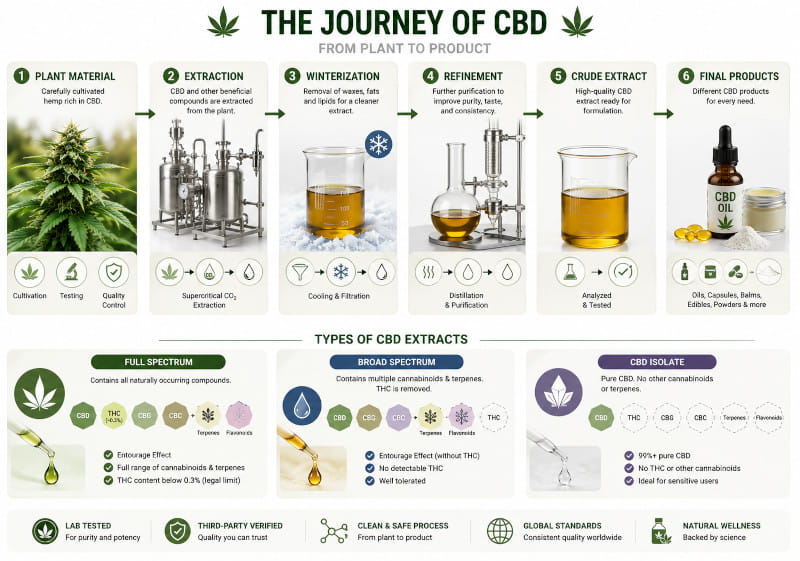
CBD extracts are produced by processing cannabinoid-containing plant parts, using a suitable extraction method and performing several purification steps. The method and process conditions substantially influence the final cannabinoid and terpene profile.
The starting material consists mainly of dried flowers and flower-adjacent plant parts from CBD-dominant hemp plants. Before extraction, the plant material is dried under controlled conditions, ground and tested for cannabinoid content. The composition of the raw material determines which substances can in principle enter the extract.
During extraction itself, CBD, CBDA and other fat-soluble plant constituents are dissolved out of the plant tissue. Depending on the method, varying quantities of terpenes, waxes, lipids, chlorophyll and pigments may also be extracted. A crude extract is therefore not automatically a finished CBD product.
Which Extraction Methods Are Used for CBD?
Common methods include extraction with supercritical carbon dioxide, ethanol and other solvents; each method has its own strengths, limitations and requirements for subsequent purification.
| Method | Principle | Typical Advantages | Typical Limitations |
|---|---|---|---|
| Supercritical CO₂ | Carbon dioxide is used as the extraction medium under controlled pressure and at a suitable temperature | highly controllable, no conventional organic-solvent residue, selective processing possible | high technical complexity, costly equipment, outcome strongly dependent on pressure and temperature |
| Ethanol | Cannabinoids and other plant constituents are dissolved from the plant material with alcohol | efficient, readily scalable for industrial use, suitable for different plant profiles | may co-extract unwanted constituents; solvent must subsequently be removed under controlled conditions |
| Hydrocarbons | Non-polar solvents dissolve mainly lipophilic plant constituents | high extraction performance and good capture of certain aromatic constituents | strict safety requirements; residual solvents must be reliably excluded |
| Oil infusion | Cannabinoids are transferred directly into an edible or carrier oil | simple principle, no subsequent removal of a volatile solvent | lower concentration, limited purification and standardisation |
How Does CO₂ Extraction Work?
In CO₂ extraction, carbon dioxide is adjusted under increased pressure so that it can dissolve cannabinoid-containing constituents from the plant material.
In its supercritical state, CO₂ has properties of both a gas and a liquid. It can penetrate plant material effectively while absorbing fat-soluble constituents. Changes in pressure, temperature, flow rate and extraction time can influence which groups of substances are preferentially collected.
When the pressure is reduced, the carbon dioxide returns to a gaseous state and separates from the extract. However, this does not mean that the resulting crude extract is finished without further processing. Filtration, dewaxing, decarboxylation, distillation or additional purification steps often follow.
How Does Ethanol Extraction Work?
Ethanol efficiently dissolves cannabinoids from plant material, but depending on temperature and process conditions it can also absorb chlorophyll, waxes and other accompanying substances.
In industrial processes, the plant material is brought into contact with ethanol for a defined period. Low temperatures can help limit the co-extraction of unwanted constituents. The plant material is then separated and the ethanol recovered under controlled conditions.
Properly performed ethanol extraction can produce high-quality extracts. However, the name of the solvent alone does not allow a reliable quality assessment. Validated processes, suitable equipment, residue controls and analysis of the finished product are decisive.
Which Processing Steps Follow Extraction?
After extraction, the crude extract is filtered, dewaxed, decarboxylated, distilled or purified chromatographically, depending on the intended product.
| Processing Step | Purpose | Possible Effect on the Product |
|---|---|---|
| Filtration | Removal of solid plant constituents | clearer extract that is easier to process further |
| Winterisation or dewaxing | Separation of waxes and lipids | improved purity and consistency |
| Decarboxylation | Conversion of CBDA into CBD through controlled heat | higher proportion of neutral cannabidiol |
| Distillation | Concentration and separation according to physical properties | more highly concentrated cannabinoid distillate |
| Chromatography | Targeted separation of individual cannabinoids | THC reduction or production of highly pure fractions is possible |
| Crystallisation | Separation and purification of CBD | Production of CBD isolate with a very high degree of purity |
Quality principle: No extraction method by itself guarantees a high-quality product. The quality of the starting material, validated and controlled process parameters, reliable removal of unwanted residues and batch-specific laboratory analysis are decisive.
How Are Full-Spectrum, Broad-Spectrum and CBD Isolate Produced?
Full-spectrum, broad-spectrum and CBD isolate are produced through different degrees of processing and separation of the original plant extract.
A full-spectrum extract is intended to preserve a broad range of the cannabinoids and other plant constituents present in the starting material. Broad-spectrum products are processed further, with the aim of removing THC as completely as possible. For CBD isolate, cannabidiol is purified until virtually no other cannabinoids or plant constituents remain.
The labels do not guarantee a particular composition. In particular, a claim of ‘THC-free’ should be supported by a sufficiently sensitive and current certificate of analysis for the relevant batch.
What CBD Products Are Available?
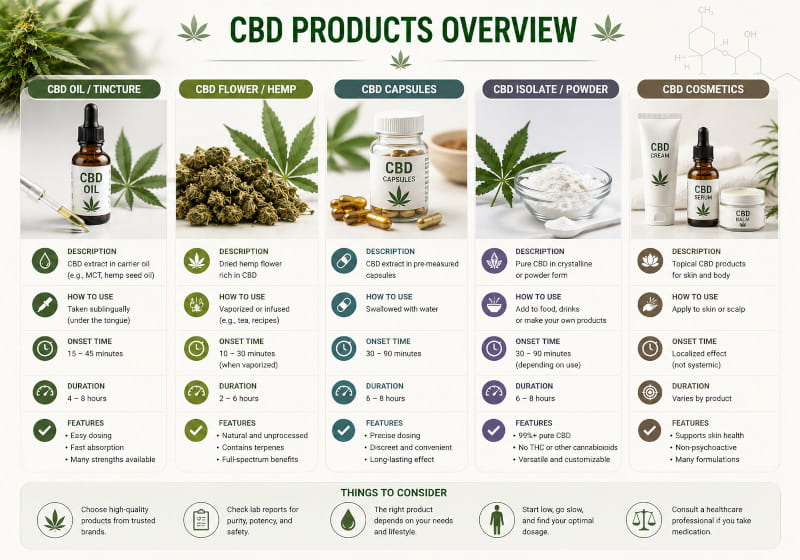
CBD is available in different dosage forms, some of which differ substantially in composition, application and cannabinoid profile.
Anyone encountering CBD for the first time will quickly come across terms such as CBD oil, full spectrum, broad spectrum, isolate or CBD flowers. These labels describe different products, not different active substances. Although all contain cannabidiol or extracts derived from it, they differ considerably in other ingredients, manufacturing methods and composition.
Product choice should therefore not be based on CBD content alone. Laboratory analyses, the origin of the raw materials, possible THC levels, purity and transparent declaration of all ingredients are equally important.
What Is CBD Oil?
CBD oil consists of a carrier oil to which cannabidiol or a hemp extract is added.
Common carrier oils include MCT oil, hemp seed oil and olive oil. The cannabidiol itself, however, comes from cannabinoid-containing plant parts rather than the hemp seeds. Concentration is usually stated as a percentage, for example 5%, 10%, 20% or 30% CBD.
A high percentage does not automatically mean higher quality. The actual composition, extract purity and independent laboratory analyses are what matter.
Note: Hemp seed oil is obtained from the seeds of the hemp plant and is not the same as CBD oil. Hemp seeds naturally contain neither CBD nor THC. The common confusion between the two products is mainly due to the fact that they come from the same plant, although they differ considerably in production, composition and use.
What Is a Full-Spectrum CBD Extract?
Full-spectrum products contain numerous other natural constituents of the cannabis plant in addition to CBD.
These may include other cannabinoids, terpenes, flavonoids and additional plant compounds. Depending on production, small amounts of THC may also be present. The precise composition depends on the genetics used, the extraction method and subsequent purification.
A frequently discussed concept is the so-called entourage effect. This refers to the hypothesis that different plant compounds together may produce effects that differ from isolated CBD. However, clear clinical evidence is still lacking for many of these proposed interactions.
What Does Broad Spectrum Mean?
Broad-spectrum products contain several plant constituents but are intended to be as free from THC as possible.
Depending on the manufacturer, they may contain other cannabinoids and terpenes in addition to CBD. Additional processing steps are used in an attempt to remove THC completely or almost completely. Whether this has been achieved can only be assessed from current laboratory analyses.
What Is CBD Isolate?
CBD isolate consists almost exclusively of purified cannabidiol.
In high-quality isolate, nearly all other plant constituents are removed. The final product is generally a white crystalline powder with a very high CBD content. Other cannabinoids, terpenes or plant waxes are present only in very small amounts or not at all.
It is not possible to give a blanket scientific answer as to whether isolate or a full-spectrum extract is more appropriate. The two product types have different properties and areas of use.
| Characteristic | CBD Isolate | Broad Spectrum | Full Spectrum |
|---|---|---|---|
| CBD | ✔ | ✔ | ✔ |
| other cannabinoids | ✖ | ✔ | ✔ |
| Terpenes | ✖ | partly | usually present |
| THC | no | removed as far as possible | small amounts possible depending on the product |
What Are CBD Flowers?
CBD flowers are dried flowers from CBD-dominant cannabis plants.
In addition to cannabidiol, they contain numerous other natural plant compounds such as terpenes, flavonoids and additional cannabinoids. Their precise composition varies considerably according to strain, cultivation, harvest time and processing.
CBD flowers are not automatically free of THC either. Depending on the genetics and statutory limits, small amounts of THC may be present. Their composition should therefore always be assessed using current laboratory analyses.
What Does Bioavailability Mean for CBD?
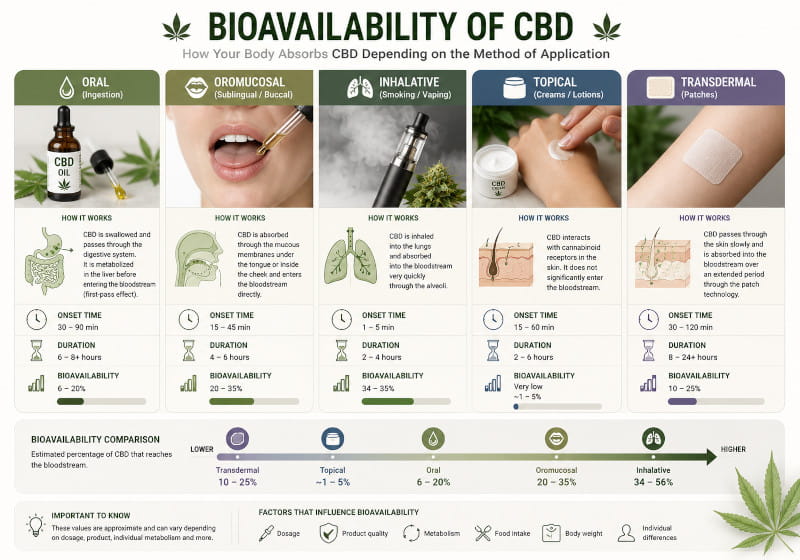
Bioavailability describes the proportion of an administered CBD dose that reaches the systemic bloodstream unchanged.
CBD is highly fat-soluble and only very slightly water-soluble. When taken orally, part is not absorbed in the digestive tract, while another proportion is metabolised in the intestinal wall and liver before reaching systemic circulation. This so-called first-pass effect contributes to the low and highly variable systemic availability of orally administered CBD between individuals.
Bioavailability is not the same as efficacy. A route of administration with higher systemic availability is not automatically better, safer or suitable for every purpose. Dose, product formulation, conditions of administration, metabolism, concomitant medication and the specific intended use are also decisive.
How Do the Different Methods of Taking CBD Compare?
Oral, oromucosal, inhaled and topical CBD products differ considerably in absorption, onset, measurability and the scientific evidence available.
| Method of Administration | Route of Absorption | Typical Feature | Important Limitation |
|---|---|---|---|
| Swallowing oil, capsules or food | Gastrointestinal tract followed by the liver | delayed and highly variable absorption; first-pass metabolism | Products, meals and individual digestion can substantially alter blood levels |
| Oromucosal use | Oral mucosa and partly subsequent swallowing | a proportion may be absorbed through the mucous membranes | the actual proportion depends on formulation, contact time and swallowing behaviour |
| Inhalation or vaporisation | Lungs | rapid rise in blood concentration and avoidance of the first pass through the liver | dosage varies with the device and inhalation; possible respiratory risks and product contamination |
| Topical use | Upper layers of the skin | primarily local use | ordinary creams do not automatically produce relevant systemic blood levels |
| Transdermal systems | Controlled passage through the skin towards the bloodstream | intended to provide longer-lasting systemic delivery | data depend strongly on the specific formulation; not equivalent to ordinary cosmetics |
Why Is Oral CBD Absorption So Variable?
Oral CBD absorption varies because solubility, food, digestion and liver metabolism strongly influence the blood concentrations achieved.
After swallowing, CBD first enters the gastrointestinal tract. Because it is fat-soluble, the composition of a meal can significantly alter absorption. With some formulations, a particularly high-fat meal can lead to substantially higher blood concentrations than administration on an empty stomach.
This variation is relevant in medical use because the same nominal dose under different administration conditions does not necessarily result in the same exposure. The product-specific instructions for taking prescription cannabidiol should therefore be followed consistently.
Important: The percentage stated on a CBD bottle describes only the concentration of CBD in the product. It does not indicate how much CBD is actually absorbed by the body, what blood concentrations are reached or what effect occurs.
Is Inhaled CBD Absorbed Better?
Inhaled CBD can be absorbed faster and with greater systemic availability than swallowed CBD, but it is not automatically safer or easier to dose.
CBD enters the bloodstream through the lungs without first passing through the digestive tract and liver. Onset and the rise in plasma concentration can therefore be faster. However, the amount actually absorbed depends on vaporisation temperature, the device, aerosol, inhalation depth and breathing technique.
Inhalable products also carry possible risks from carrier substances, contaminants, thermal degradation products or unsuitable devices. Higher bioavailability is therefore not evidence of a more favourable benefit-risk ratio.
Can CBD from Creams Pass through the Skin?
CBD can enter layers of the skin, but ordinary topical products are not automatically transdermal systems that provide relevant absorption into the bloodstream.
The skin forms an effective barrier. Whether CBD crosses it in meaningful quantities depends on concentration, carrier substances, particle size, contact time, skin condition and specific penetration enhancers. Results from a particular pharmaceutical formulation cannot be applied to every over-the-counter cream.
Topical products are often intended for local areas of skin. Transdermal patches or gels, by contrast, are specifically developed to transport active substances through the skin into systemic circulation. These categories should be kept separate in both language and scientific assessment.
Is There a General CBD Dosage?
There is no universally applicable CBD dosage.
Blanket dosage recommendations for CBD repeatedly appear online. Such general figures cannot be scientifically justified. Clinical studies use very different dosages depending on the research question and indication.
The amount that is suitable or unsuitable depends on body weight, metabolism, method of administration, concomitant conditions, medicines and the individual product, among other factors. Statements such as ‘everyone needs ten drops a day’ or similar rules of thumb are therefore not scientifically robust.
Important: The percentage stated for a CBD oil describes only the concentration of cannabidiol it contains. On its own, it does not allow conclusions to be drawn about a product’s quality, efficacy or suitability.
Can CBD Show Up on a Drug Test?
Pure CBD is not normally the target of standard THC drug tests. However, THC in full-spectrum products, CBD flowers or incorrectly labelled products can produce a positive test result.
Most standardised cannabis drug tests do not look for cannabidiol. Urine tests often detect the THC metabolite 11-nor-9-carboxy-THC (THC-COOH), while blood or saliva tests use other target substances and detection thresholds depending on the procedure. According to current scientific knowledge, CBD is not converted into THC in the human body.
The practical risk therefore depends primarily on the composition of the product used. Full-spectrum extracts can contain small amounts of THC. CBD flowers also naturally contain THC or its precursor THCA, which is partly converted into THC when heated. Even products labelled ‘THC-free’ may contain measurable amounts of THC because of inadequate purification, cross-contamination or incorrect labelling.
Which Drug Tests Can Be Relevant to CBD Products?
Urine, blood, saliva and hair tests differ in their targets, detection windows and informative value.
| Sample Material | Typical Target | Relevance to CBD Products | Limitation |
|---|---|---|---|
| Urine | usually THC carboxylic acid or its marker | repeated intake of small amounts of THC may become relevant | does not reliably indicate current impairment |
| Blood | THC and, depending on the analysis, other cannabinoids or metabolites | THC-containing CBD products can produce measurable values | interpretation depends on timing, threshold and legal context |
| Saliva or oral fluid | often THC | CBD flowers or THC-containing extracts can directly contaminate the mouth | the result is influenced by product form and time since use |
| Hair | various cannabinoids and metabolites | external contamination and cosmetic products can complicate interpretation | not suitable for assessing an acute effect |
Does CBD Itself Cause a False-Positive THC Test?
According to current evidence, pure orally administered CBD does not simply trigger a THC-positive test; actually ingested THC or product-specific contamination is a more common cause.
Screening tests can in principle show non-specific reactions. A positive screening result should therefore be checked with a more specific confirmatory analysis. For CBD users, however, the possibility is not only an analytically ‘false-positive’ result, but also a genuinely positive result caused by unknowingly ingested THC.
Studies of commercial CBD products have shown that some products declared THC-free can nevertheless contain delta-9-THC. The risk therefore depends not only on the product category, but on the actual batch and the sensitivity of the test.
What Determines the Risk of a Positive Test?
The risk depends mainly on THC content, amount used, frequency of use, product form, metabolism and detection threshold.
- THC content: The amount actually absorbed is decisive, not merely the CBD percentage printed on the product.
- Frequency: Repeated intake can lead to greater accumulation of THC metabolites than a single exposure.
- Product type: Flowers and full-spectrum extracts are typically more relevant to THC tests than analytically confirmed isolate.
- Individual factors: Body composition, liver metabolism and excretion differ between individuals.
- Testing procedure: Screening, confirmatory analysis, sample matrix and threshold influence the result.
No zero-risk guarantee: Anyone who must remain reliably THC-negative for professional, sporting, medical or legal reasons should not rely solely on terms such as ‘CBD’, ‘hemp’ or ‘THC-free’. A current laboratory certificate can reduce the risk but cannot eliminate it completely because batch differences, contamination or errors in use are possible.
What Should a Laboratory Report Show about THC?
A meaningful laboratory report should relate to the specific batch and transparently state THC, THCA, the detection limit and the analytical method used.
The statement ‘not detected’ is meaningful only together with the limit of detection or quantification. A laboratory cannot exclude infinitely small amounts. It should also be checked whether the certificate actually relates to the purchased batch and whether the analysis was performed by an independent, professionally suitable laboratory.
Does CBD Affect Driving Ability?
Although CBD does not cause typical cannabis intoxication, attention or reaction time may be impaired depending on the product and individual response.
It is often assumed that CBD has no effects whatsoever on the central nervous system. In fact, some people report tiredness, drowsiness or reduced concentration, particularly when they begin using it or at higher doses. These effects differ clearly from THC intoxication, but may still be relevant to safety.
The actual composition of a product also plays an important role. If a purported CBD product contains small amounts of THC or other psychoactive cannabinoids, it may impair driving ability more than pure cannabidiol.
In practice: Anyone who feels tired, drowsy or less able to concentrate after taking CBD should not drive or operate machinery.
How Can You Recognise High-Quality CBD Products?
The quality of a CBD product cannot be determined from its label or price, but primarily from transparent laboratory analyses and traceable manufacturing.
Because CBD products are subject to different legal requirements depending on the country, their quality and composition may vary considerably. Independent analyses allow the actual CBD content and possible contaminants to be checked objectively.
| What Should You Look For? | Why Is It Important? |
|---|---|
| current laboratory certificate | verification of cannabinoids and purity |
| complete list of ingredients | transparency for consumers |
| batch number | traceability |
| origin of the hemp | quality control and cultivation information |
| analysis for heavy metals and pesticides | consumer protection |
| analysis for residual solvents | control of extraction quality |
Which Misconceptions about CBD Are Particularly Common?
Numerous claims circulate about CBD that are not scientifically supported or are supported only in part.
| Myth | Evidence |
|---|---|
| CBD works for every illness. | There is no scientific basis for this. |
| CBD has no side effects whatsoever. | Incorrect. Side effects and interactions are known. |
| CBD is always THC-free. | Not every product contains CBD alone. |
| Natural automatically means safe. | Natural active substances can also carry risks. |
| The higher the CBD percentage, the better. | Quality depends on substantially more factors. |
Frequently Asked Questions about CBD
Is CBD Legal?
The legal classification depends on the country and the specific product. Differences include THC limits, product category and intended use.
Can CBD Cause Dependence?
No typical potential for abuse or dependence comparable to THC has so far been described for pure CBD. Nevertheless, any regular use should be assessed critically.
Is CBD the Same as Medical Cannabis?
No. Medical cannabis includes different medicines and cannabis preparations with varying cannabinoid profiles. CBD is only one of more than one hundred known phytocannabinoids.
Can CBD Occur Together with THC?
Yes. Many cannabis strains contain both CBD and THC, but in very different concentrations.
Is Hemp Seed Oil the Same as CBD?
No. Hemp seed oil is made from the seeds and naturally contains neither relevant amounts of CBD nor THC. CBD is obtained from cannabinoid-containing plant parts.
Glossary of Important CBD Terms
| Term | Brief Explanation |
|---|---|
| CBD | Cannabidiol, a natural phytocannabinoid. |
| CBDA | The acidic precursor of cannabidiol. |
| THC | Delta-9-tetrahydrocannabinol, the principal intoxicating cannabinoid. |
| CB1 | A cannabinoid receptor of major importance in the central nervous system. |
| CB2 | A cannabinoid receptor found primarily in immune cells and other tissues. |
| Endocannabinoid system | The body’s own signalling system comprising receptors, endocannabinoids and enzymes. |
| Full spectrum | An extract containing numerous natural plant constituents. |
| Broad spectrum | An extract containing several plant constituents and intended to contain as little THC as possible. |
| CBD isolate | Almost pure cannabidiol without other plant constituents. |
| CBG | Cannabigerol, a phytocannabinoid formed from CBGA. |
| CBN | Cannabinol, which can arise through the ageing and oxidation of THC, among other processes. |
| CBC | Cannabichromene, a phytocannabinoid with CBCA as its acidic precursor. |
| Bioavailability | The proportion of a dose that reaches the systemic bloodstream unchanged. |
| First-pass effect | Metabolism of an orally administered substance in the intestinal wall and liver before it reaches systemic circulation. |
| FAAH | An enzyme substantially involved in the breakdown of anandamide. |
| MAGL | An enzyme substantially involved in the breakdown of the endocannabinoid 2-AG. |
What Does Current Research Say about CBD?
CBD is one of the most intensively studied cannabinoids, but the scientific evidence varies greatly depending on the research question.
In recent years, thousands of scientific papers on cannabidiol (CBD) have been published. They investigate possible effects on the nervous system, inflammatory processes, pain, sleep, anxiety, metabolism, epilepsy and numerous other biological functions. However, the mere number of published studies does not automatically mean that medical efficacy has been demonstrated.
For many areas of use, the available data still come mainly from cell-culture experiments, animal studies or small pilot studies. High-quality randomised clinical trials in humans are considerably rarer and sometimes produce conflicting results.
| Research Area | Current Evidence | Assessment |
|---|---|---|
| Rare forms of epilepsy | high | clinically well established for certain prescription medicines |
| Anxiety disorders | limited to moderate | initial positive indications; further studies are necessary |
| Sleep | limited | inconsistent results |
| Chronic pain | inconsistent | no general recommendation is possible |
| Inflammatory processes | predominantly preclinical | no established clinical benefit to date |
| Cancer | insufficient | no scientific basis for claims of a cure |
Context: Science develops continuously. New studies may confirm, qualify or expand existing findings. Statements about CBD should therefore be reassessed regularly using current review articles.
Is CBD Safe?
Overall, CBD is comparatively well studied, but it is not free of risks or side effects.
Most people tolerate cannabidiol well. Nevertheless, clinical studies show that higher doses in particular can cause tiredness, drowsiness, diarrhoea, changes in appetite and changes in certain liver values. Interactions with various medicines are also possible.
Whether a product is actually safe does not depend solely on the CBD it contains. Purity, manufacturing process, correct labelling and possible contamination with pesticides, heavy metals, solvents or unexpected THC levels are equally important.
Sources and Further Information
- European Medicines Agency (EMA) – Epidyolex
- EMA – Epidyolex: Product Information
- Centers for Disease Control and Prevention – About CBD
- National Academies / NCBI – The Health Effects of Cannabis and Cannabinoids
- Crocq – History of Cannabis and the Endocannabinoid System
- Lu & Mackie – Review of the Endocannabinoid System
- Laprairie et al. – CBD as a Negative Allosteric Modulator of CB1
- Millar et al. – Systematic Review of Cannabidiol Pharmacokinetics
- O’Sullivan et al. – Strategies to Improve CBD Bioavailability
- Johnson et al. – THC Contamination in Commercial CBD Products
- Spindle et al. – Urinary Cannabinoid Profile after Oral and Vaporized CBD
- de Aguiar et al. – Supercritical CO₂ Technology for Cannabis Processing
- Addo et al. – Cold Ethanol Extraction of Cannabinoids and Terpenes
- Li et al. – Comprehensive Review of Cannabigerol
- Maioli et al. – Cannabinol: History and Biological Profile
- Sepulveda et al. – Therapeutic Research on Cannabichromene